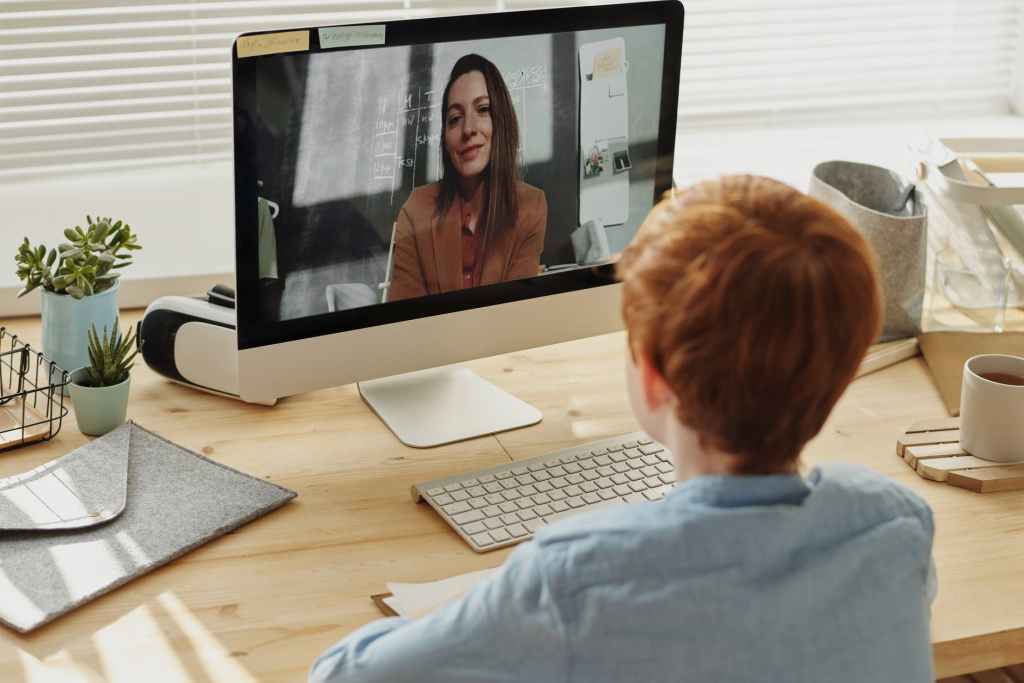
In the recent events with COVID-19 changing the way healthcare is practiced and how patients are being assessed, treated, and followed up is new to all involved. There has been a recent increase in Telemedicine and Telepsychiatry to accommodate patients while maintaining social distancing. According to Palattao (2018) telemedicine unshackles us from the “visit” mindset thinking to opening up healthcare to beyond limited locations and hours of practice, to indefinite avenues to healthcare. Telemedicine has helped patients, providers, and insures including employers with reducing healthcare cost.
Telepsychiatry has helped maintain consistency with patient compliance with appointments in that accessibility is right at their fingertips. Providers are experiencing lower no-show rates, improved medication compliance and patient stability. These changes have decrease emergency room visits for crisis and inpatient stays, which helps with decrease in healthcare cost. The funding that providers, hospitals and facilities will recoup through reimbursement of these Telepsychiatry visits would pay for the software systems require to protect HIPPA and use video appointments.
There are multiple therapeutic applications for therapy modalities available on the application store on personal cellphones, tablets and computers. The one that I will focus on for this blog will be the “Calm” app, this application uses mindfulness and other grounding techniques to assist patients during overwhelming and crisis situations. The “Calm” app offers sleep stories, nature sounds breathing exercises and tips on how to perform mental health self-care not just when situations occurs but at all times. I use the unwind exercise daily before bed and the rise when I wake up in a mood. This application has a free version and a paid prescription that can be used. This benefits suicide prevention for youth through placing self-care at their fingertips, which allows them to participate at their own rate. This helps to limit the feeling of burden that they at times feel their mental health places on their parents financially and limited time because it is free and they don’t need to go to driven to an appointment. As long as applications like this are available in a free version for patient access it will help push continued efforts in the development of programs geared toward. Below is a list of other free app programs that help with mental health for youth:
Woebot
Hello, I’m Jill
HappiMe
Manatee and Me
Mindshift CBT
Quirk CBT
Moodnotes
CBT i-coach
CBT Thought Diary
Organizations such as Lifeline and the organization I learned about briefly through my interview with the Arizona area Director Cori Frolander, of the Arizona Foundation for Suicide Prevention with their initiatives and funding events that take place throughout the valley and online are essential in the sustainability of all measure related to suicide prevention. Something that I have learned is that the community coming together to support these organization efforts is what will keep the word spreading on their initiatives, increase their funding through volunteer work or donations, and experiencing the work they do first hand. These things is what will sustain innovations in relation to suicide prevention. Both of these organizations work to provide resources, supports, education and ongoing funding in support of suicide prevention and policy changes. Mrs. Frolander spoke on it being all of our responsibility to help with the national crisis even if its to just show up to an event to learn more about efforts being implemented to help reduce suicide rates.
References
American Foundation for Suicide Prevention National.(2020). Overnight 2020. Retrieved from https://www.youtube.com/watch?v=3PNca41racA
Frolander, C. (2020). Interview of area director of AFSP
Google. (2020). Images: Video call
News Channel 5 (2015). Telemental health brings helps at patients’ fingertips. Retrieved from https://www.youtube.com/watch?v=ab2U6i9AXPk
Palattao, K. (2018). Mobile health strategies for patients. Retrieved from https://www.hfma.org/topics/hfm/2018/february/59348.html
 Suicide does not have an age limit
I have been following your blog and it’s awesome. As you said there are many therapeutic apps available on personal cell phones, tablets, and computers. Death by suicide is a complex situation and is usually preceded by suicidal thoughts, plans, and attempts.7 Dramatic advances in technology provide us with new avenues to recognize suicidal behavior, prevent suicide, and save lives.
Interestingly, smartphone apps ask participants questions about their mood and life but did not directly ask about suicidality. This contrasts with the current standard of clinical care, where directly asking about suicidal ideation is essential. Researchers are using computerized real-time facial emotion monitoring to detect subtle changes in the facial expressions of people with suicidal thoughts. In addition, body measurements such as skin conductance and heart rate are also measured. Such technology could allow us to develop a rapid way to assess suicidality, especially in high-risk individuals who may not verbally disclose the presence of suicidal thoughts or plans(1).
Reference
1) Vahabzadeh, A., Sahin, N., Kalali, A. (2016). Digital suicide prevention: Can technology become a game-changer? Innovations in clinical neuroscience, 13(5-6), 16–20.
LikeLike
Due to the current state of quarantine globally, tele-psychiatry has become a much larger platform for patient assessment services than ever. Implementation of technology such as facial recognition software, auditory sensors and vital statistic sensors can be used as a means to provide more diagnostic information for providers during assessment processes. There are currently several studies being conducted on the implementation of technology during assessments to record data that a provider might otherwise miss. This data could be critical in discovering symptoms of reactions or responses affiliated with a mental disorder that might not be readily available through standard evaluation. This could strongly enhance the effectiveness of remote medical operations such as tele-med, especially in cases where person to person interviewing is not possible.
Reference
Artificial Intelligence in Behavioral and Mental Health Care. (n.d.). Retrieved from https://artificialintelligence.health/AI-mental-health.html
LikeLike