Financing Healthcare and Sustainability in the Prevention of suicide for youth through Technology

Photo by Julia M Cameron on Pexels.com

In the recent events with COVID-19 changing the way healthcare is practiced and how patients are being assessed, treated, and followed up is new to all involved. There has been a recent increase in Telemedicine and Telepsychiatry to accommodate patients while maintaining social distancing. According to Palattao (2018) telemedicine unshackles us from the “visit” mindset thinking to opening up healthcare to beyond limited locations and hours of practice, to indefinite avenues to healthcare. Telemedicine has helped patients, providers, and insures including employers with reducing healthcare cost.

Telepsychiatry has helped maintain consistency with patient compliance with appointments in that accessibility is right at their fingertips. Providers are experiencing lower no-show rates, improved medication compliance and patient stability. These changes have decrease emergency room visits for crisis and inpatient stays, which helps with decrease in healthcare cost. The funding that providers, hospitals and facilities will recoup through reimbursement of these Telepsychiatry visits would pay for the software systems require to protect HIPPA and use video appointments.

(NewsChannel5, 2015)

There are multiple therapeutic applications for therapy modalities available on the application store on personal cellphones, tablets and computers. The one that I will focus on for this blog will be the “Calm” app, this application uses mindfulness and other grounding techniques to assist patients during overwhelming and crisis situations. The “Calm” app offers sleep stories, nature sounds breathing exercises and tips on how to perform mental health self-care not just when situations occurs but at all times. I use the unwind exercise daily before bed and the rise when I wake up in a mood. This application has a free version and a paid prescription that can be used. This benefits suicide prevention for youth through placing self-care at their fingertips, which allows them to participate at their own rate. This helps to limit the feeling of burden that they at times feel their mental health places on their parents financially and limited time because it is free and they don’t need to go to driven to an appointment. As long as applications like this are available in a free version for patient access it will help push continued efforts in the development of programs geared toward. Below is a list of other free app programs that help with mental health for youth:
 Woebot
 Hello, I’m Jill
 HappiMe
 Manatee and Me
 Mindshift CBT
 Quirk CBT
 Moodnotes
 CBT i-coach
 CBT Thought Diary

Organizations such as Lifeline and the organization I learned about briefly through my interview with the Arizona area Director Cori Frolander, of the Arizona Foundation for Suicide Prevention with their initiatives and funding events that take place throughout the valley and online are essential in the sustainability of all measure related to suicide prevention. Something that I have learned is that the community coming together to support these organization efforts is what will keep the word spreading on their initiatives, increase their funding through volunteer work or donations, and experiencing the work they do first hand. These things is what will sustain innovations in relation to suicide prevention. Both of these organizations work to provide resources, supports, education and ongoing funding in support of suicide prevention and policy changes. Mrs. Frolander spoke on it being all of our responsibility to help with the national crisis even if its to just show up to an event to learn more about efforts being implemented to help reduce suicide rates.

References

American Foundation for Suicide Prevention National.(2020). Overnight 2020. Retrieved from https://www.youtube.com/watch?v=3PNca41racA

Frolander, C. (2020). Interview of area director of AFSP

Google. (2020). Images: Video call

News Channel 5 (2015). Telemental health brings helps at patients’ fingertips. Retrieved from https://www.youtube.com/watch?v=ab2U6i9AXPk

Palattao, K. (2018). Mobile health strategies for patients. Retrieved from https://www.hfma.org/topics/hfm/2018/february/59348.html
Help At Your Fingertips…

Living in the age of advanced technology has moved healthcare from just the office setting to the patient’s fingertips. Smartphones, laptops and tablets have applications that are capable to provide a level of accessibility for patients that not all health providers offer the patient including open hours and days. Mental health applications have increased over the last 10 years to not only include individual therapies such as cognitive behavioral therapy, mindfulness and other mood regulation applications that help patient to learn ways to cope and understand their thoughts and emotions. Now with a big move to social distancing telepsych has been the go-to for providers and agency to keep them available to their patients as well as be able to ensure stability for mental health patients.

According to Giota and Kleftaras (2014), research has shown that young adults with mental health problems do not seek professional help due to the lack of services offered in their area, cost of services, time constraints, confidentiality and stigmas related to seeking help. The new technology of these applications creates a bridge to connect to young adults because it decreases the causes related to not seeking help. Although this is a great way for providers to draw in the younger population for help it may also create ethical considerations that should be reviewed prior to providers use these applications.

 For example, not all applications will fit every patient, nor will it be able to report when a patient is documenting suicidal thoughts or when they are having risky behaviors. Not to mention majority of the applications that patients use a free which are heavily loaded with advertisements and demographic information may be sold to a third party. For this reason, providers should carefully review and screen all applications recommended to patient as well as inform them of these dilemmas when using the applications.

Other innovational technologies have been created by those that struggle with mental health disorders themselves. One in particular that has piqued my interest is the “NotOK” application that was created by two high school students that happen to be brother and sister. The sister was dealing with a medical diagnosis that affected her mood, causing her to self- harm, develop an eating disorder and ultimately lead up to a suicidal attempt (Freethink,2019). She struggled with finding the word to tell others how she was feeling and came up with an idea where it would be like a readily available “panic button” on her phone for her support system to call or come check on her when she pressed it. She shared this information with her brother who wanted to do anything to help his sister and other like her. So, he started trying to build the framework for it and now the application has taken off. It is offer on iPhone and Android application stores. The application is user friendly and it connects to the support system that you list in the application with a text letting them know you are not okay and to text, call or come check on you without having to verbalize how you feel right away. The fact that this was created by adolescents and one that struggled with mental health pulled me to add this to the blog as an additional technology that impact on suicide prevention for children and adolescents.

References

Freethink. (2019). An app to help prevent suicide. Retrieved on April 3, 2020 from https://www.youtube.com/watch?v=YPS_X3F61wI 

Giota, K.G. and Kleftaras, G. (2014) Mental health apps: Innovations, risks and ethical considerations. E-Health Telecommunication Systems and Networks, 3, 19-23. http://dx.doi.org/10.4236/etsn.2014.33003

Innovation Advancement of the Private Sector

The World Health Organization (2018) defines the private sector as organizations and individuals that provide product and health care services that are not controlled by the government (p.6). The private sector can then be broken down into various subcategories, the most know non-profit and for profit, formal and informal then also into domestic or foreign. In the last ten years the public and private sector have collaborated to create the National Action Alliance for Suicide Prevention (Action Alliance), their partnership works on advancing the policies and interventions of the National Strategies for Suicide Prevention. Their main objective being to make suicide a national priority. The two main priority areas of suicide that this group focuses on is transformation of healthcare systems in order to reduce suicides and change in conversations surrounding suicide and suicide preventions. The other areas of focus are to improve financing, standards of care, clinical workforce trainings and education, crisis services and resources as well as care transitions.

(Henry Ford TV, n.d.)

The Action Alliance set out to improve the suicide care in the healthcare systems by supporting the implementation of “zero suicide initiative”. Zero suicide is a quality improvement and safety framework on suicide that is set to improve suicide care by making changes to leadership mindset, organization policies and overall improvement in practices and outcome measures. The Action alliance recently met with representative from some of the top United States insurance companies to engage them in discussions on the role of health plans in suicide prevention (Action Alliance, 2019).This resulted in five recommendations they all collaborated on that would create consistency in health plans to include, education, training of health plan staff, adoption of clinical practice guidelines on suicide, work groups for data collection, develop and lead collaborative pilots projects in state and delivery systems, and track cost of intentional injury claims internally. Engaging the health care plan companies will help with reimbursement and set guidelines for providers to follow to give the best treatment to suicidal patients.

Another area of focus that is very important and forward thinking in policy is the transformation care for the suicidal patient that just discharged and is waiting to be connected to the proper follow up providers. The risk for these patients is just as high as when they came in due to going back to their environments that may be the stressor or feelings of guilt or embarrassment in what they did and how they felt. The Action Alliance make it essential that the patients have care in the transformation period from hospital to their own providers. Although, the Action Alliance partners with public sector their objectives and goals for suicide are innovative and advanced.

(The Action Alliance, 2019)

References

Henry Ford TV (n.d.). Zero suicide healthcare call to action. Retrieved from https://www.youtube.com/watch?v=tyfdN-4nJZQ

The Action Alliance. (2019). Best Practices in Care Transitions for Individuals w Suicide Risk: Inpatient Care to Outpatient Care. Retrieved from https://www.youtube.com/watch?v=6FHfYT8nJwU&feature=youtu.be

The Action Alliance. (2019). Healthcare. Retrieved from https://theactionalliance.org/healthcare

World Health Organization. (2018). Technical series: On primary health care. Retrieved from https://www.who.int/docs/default-source/primary-health-care-conference/private-sector.pdf?sfvrsn=36e53c69_2

Influence of Public Sector Institutions..

Public sector institutions can be defined as agencies, offices, and other units that represent the local, state and federal government in supporting the community in education, training and resources for issues that need improvement or prevention (Hansen & Paul, 2019).  These institutions then provide information on the subjects that they are responsible for and create innovative solutions for the issues that arise. For example, suicide amongst adolescents being the blog topic would then utilize organizations such as National Institute of Mental Health (NIMH) that considers suicide a public health crisis. NIMH offers education on mental health disorders, risk factors and symptoms of suicide as well as prevention essentials. They provide training to providers and others that work in the public. The greatest benefit that is provided is support and resources for all those in need regardless of their economic or health insurance status (NIMH, 2019).

(Suicide Prevention Lifeline, 2020)

Another public sector that I recently became aware of is the American Foundation for Suicide Prevention (AFSP). This organization came up in my research into locating an individual that has some involvement in policy not interview. The first step to researching individuals to interview was to look for an organization that I was interested in volunteering for and AFSP was the one that intrigued me the most. I reached out to the region director, Ms. Cori Frolander (2020) via telephone. She actually picked up on the first try. We discussed the organization and their stance in policies and the community on suicide prevention/awareness. We were set to do a full interview the following week but unfortunately, I have not been able to connect with Ms. Frolander again but this is what I have learned about the AFSP organization and its stance in policy advocacy thus far.

The AFSP was established in 1987, they have local chapters in all 50 states, headquarters in New York and a policy headquarter in Washington, DC. The AFSP raises awareness, funds scientific research and supplies resources for those affected by suicide (AFSP, 2019). They describe their mission as saving lives and bring hope to those disturbed by suicide. The following core strategies are their focus areas funding research, educating the public on mental health and suicide prevention, advocating for public policies on mental health and suicide prevention, and supporting those survivors of suicide loss and those affected by suicide (AFSP, 2019). All of which are crucial in help decrease suicide amongst adolescents. This organizations creates events to raise funds, advocate, educate and those affected by this public crisis.

(AFSP, 2019)

AFSP has its own public policy office that helps volunteers of AFSP with the tools to advocate for suicide prevention at every level of government. AFSP beliefs that advocates like you and I are what it takes to create policies to save lives. With that being said the public sector institutions help influence individuals and policies by standing in the gap to educate, train, reach the community and those affected by suicide in collaborating to create the change that is needed to save lives and change policies to help decrease mental health stigmas.

dnp 711 spring 2020 syllabus-20200109

References

American Foundation of Suicide Prevention. (2019). Mission and core strategies. Retrieved from https://afsp.org/about-afsp/

Frolander, C. (2020). Telephone interview: American Foundation of Suicide Prevention history and advocacy stance.

Hansen, K, and Paul, N. (2019). Information strategies for communicators: Public sector institutions. Retrieved https://open.lib.umn.edu/infostrategies/chapter/6-2-public-sector-institutions/

National Institute of Mental Health. (2019). Mental health: Suicide. Retrieved from https://www.nimh.nih.gov/health/statistics/suicide.shtml

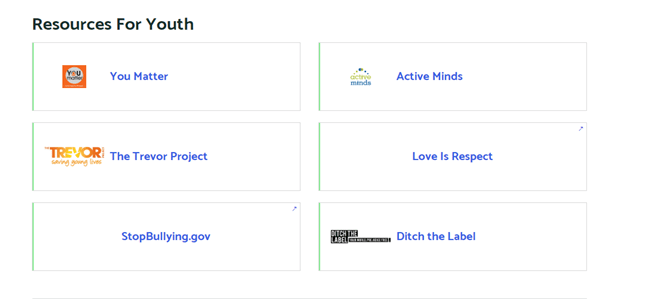
Suicide Prevention Lifeline. (2020). Youth: Resources. Retrieved from https://suicidepreventionlifeline.org/help-yourself/youth/

YouTube. AFSP advocacy forum. 10th ed. Retrieved https://www.youtube.com/watch?v=hf1ngKOunlU#action=share

Collaboration of All Levels Create Change….

Suicide is now the 10th leading cause of death for American, with a reported double amount of suicides in comparison with homicides in 2016 (Carey, 2018). Suicide prevention was first established in the 1950’s by a group of clinicians that wanted an understanding on suicide and suicide prevention (National Strategy for Suicide Prevention, 2012). The efforts of these clinicians expanded when the compassion and support of grassroot individual groups of those bereaved by suicide joined their efforts to bring suicide prevention to the national level. Together they were able in 2001 to create the National Strategy for Suicide Prevention.

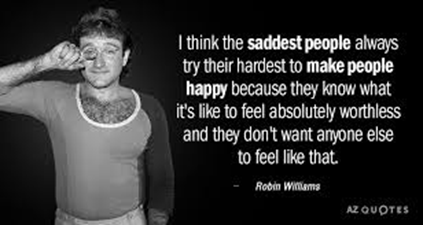
According to Carey (2018), there are more tolerant attitudes toward suicide, with it being seen in some populations as a cultural script and more acceptable. Think about social media videos you have seen with someone talking about taking their life and the increase of social groups that support suicide and self-harming that has taken off. Suicide has gone from a culture of not talking about how one’s death occurred to it being glorified and spotlighted for all to see. The influx of celebrities taking their life or playing roles where they take their lives has brought suicide into family conversations, in workplace break rooms, and in school settings. Suicide used to have a shock value to it when you heard a story of someone taking their lives especially a child, now all you hear is “not another one”, as we go on with our day.

(Netflix, 2020)

The new Netflix series “13 Reasons Why” brought awareness to schools and parents on how this epidemic has spread amongst the youth. The unit I worked on was full to capacity and our emergency department was full of suicidal children waiting for an inpatient bed or in for an evaluation by school. Now that it is of topic it is time to build regulations and procedures around suicide prevention.

The National Strategies for Suicide Prevention (2012) mentions two important federal and state laws that impact suicide prevention. The two acts are targeted to the high- risk groups of Veterans and Youth. One being the Garrett Lee Smith Memorial Act (GLSMA) 2004 which is the critical in getting federal funding for suicide prevention. The Act is named in memory of a Senator’s son that completed suicide. The GLSMA provides grants to states, tribes, territories and educational institutions to create programs for suicide prevention. The second act is in relation to suicide prevention for Veterans. The National Strategy for Suicide Prevention (201) spoke of the Joshua Omvig Veteran Suicide Prevention Act (JOVSPA) of 2007 that lead to the Secretary of United States Department of Veteran Affairs to implement a suicide prevention program for veterans. The program includes staff education, mental health assessments as part of overall health assessments, a suicide prevention coordinator at each VA medical facility, research efforts, 24-hour mental health care, a toll-free crisis line, and outreach to and education for veterans and their families. In the year of 2009 the Department of Veteran Affairs implemented a one on one chat service that veterans can access through the internet.

Suicide Prevention Awareness is a collaboration of the community, providers, government and educational institutions. The only way that change can be felt in the decrease of suicide is if we all come together to create programs, funding, laws and awareness campaigns to get the information out to those individuals in need.

References

Carey, B. (2018). How suicide quietly morphed into a public health crisis. New York Times. Retrieved from www.nytimes.com/2018/06/08/health/suicide-spade-bordain-cdc.html

Google Image Search. (2020). Celebrity suicide awareness images. Retrieved from https://www.google.com/search?rlz=1C1CHBF_enUS797US797&sxsrf=ACYBGNTzBZtXq0vB9HGByN_GlaJIT3cgyg:1581823732600&q=celebrity+suicide+prevention+images&tbm=isch&source=univ&sa=X&ved=2ahUKEwjB5LbNkNXnAhXJpJ4KHdJeDBgQ7Al6BAgKEBk&biw=1280&bih=625&dpr=1.5#imgrc=9LLl_4-tZ8b4JM

National Strategy for Suicide Prevention. (2012). Goals and objectives for action: A report of the U.S. surgeon general and of the National Action Alliance for Suicide Prevention. Retrieved from https://www.ncbi.nlm.nih.gov/books/NBK109918/

Netflix. (2020). 13 reasons why. Retrieved from https://www.youtube.com/watch?v=3kAc_aGh7U8

We can all change their stories…..

More and more we are hearing about children that have decided that suicide is the only answer for them to escape their sadness or problems they face. Often, I wonder did anyone notice them giving up, isolating, decrease in self-care or no longer reaching out? Unfortunately, in most cases all of these things are not even thought of until after the person is gone. How many times have you read or seen a story in the news where the family, friends and teachers of the person say “ They changed or they didn’t want to do anything” some are able to still smile and pretend they are happy. Some still participate in sports, get good grades and talk about future plans even though they have no desire to be around in those future plans.

Child and adolescent Suicide Awareness will make family, friends and teachers knowledgeable in spotting when their friend or love one is giving up on life. Now that they know how to spot it, what do they do? When looking at the definition of ethics it is described as “what is good for individuals and society, as well as moral philosophy” (BBC, 2014). The BBC (2014) also explains how ethics is about the “other”, meaning that being concerned about someone other than ourselves.

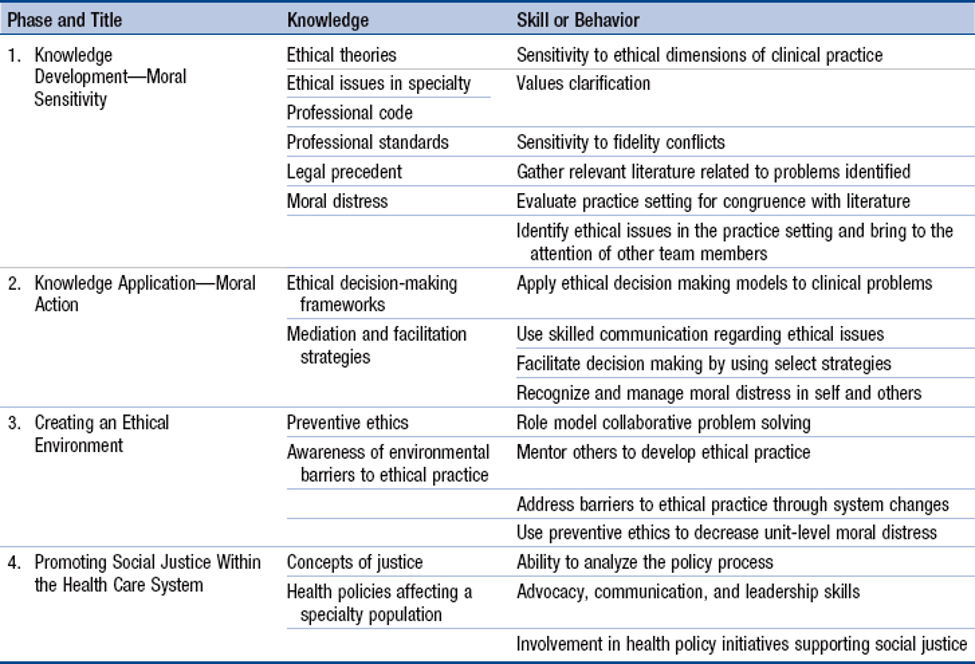
The ethical impact of healthcare policy and the role of ethical decision making in the awareness of child and adolescent suicide is the difference in ending the story for someone or ability of the individual to move on to the next chapter. Healthcare policy incorporates the ethical decision-making model in building healthcare policies that fit all individuals no matter their nationality, sex, age and level of income. Healthcare policies are put in place to improve the public health and have guidelines for all to practice in certain situations that will create consistency in the care of the patients and provide the best outcomes based on evidenced based research. In developing a Healthcare policy starts with an issue or problem that you want to create change for, reviewing and collection data and information on the issues, brainstorming possible solutions, and implementing and monitoring the solution outcomes (Hamric &Delgado, 2016). As you move through the steps to creating the healthcare policy ethical decision-making in applied to all the steps to consider the ethic and legal implications of the change to the problem or issue.

(Hamric & Delgado, 2016)

In thinking of the ethical impact and role of ethical decision making in child and adolescent suicidality healthcare policy has pushed to have educators educated on noticing the signs and how to talk to a student about suicide. In the world that we live in it is easy to say “that not my business, or my problem”, when we see someone going through something. But this education of awareness for educator allows them to not only provide a safe environment to talk about these issues with their student but create an open door for students dealing with depression and suicidality.

California has Assembly Bill (AB) 2246, that requires all local education agencies to have suicide prevention policies. AB 2246 mandates that any local education agency servicing students in grades 7-12 create a policy on suicide prevention, intervention, and postvention (California Department of Education, 2019). The policies would include suicide awareness and prevention training for teachers and address the needs of high-risk student groups. The AB 2246 is a health policy that will place some awareness in the schools where youth spend just as much time in as their home.

For the family and friends of those dealing with depression and suicide the National Suicide Prevention Lifeline has the #Bethe1to initiative that provides 5 steps of how to check in on these individuals and provide them with the help they need

Step 1: involves come right out and asking them are they thinking about suicide. Important piece to this is to Never tell them you will keep their suicidal thoughts a secret.

Step 2: Keep them save, this means seeking more information on if they have a plan, what have they already tried and if they have access to the items to complete suicide.

Step 3: Be there for them, this would mean physically, frequent phone calls and texts checking in on them each day. This will create connectedness for them that someone cares about them.

Step 4: Help them connect, this is getting them connected to services and resources of professionals that can help them.

Step 5: Follow up, this means even after they are connected with supports and services that can help them check on them call, visit and text to make sure they are still doing okay. So, we all can change their stories to a happy ending (National Suicide Prevention Lifeline, 2019).

(National Suicide Prevention Lifeline, 2019)

Do you know the signs?

Suicide Awareness, it’s for everyone to know the signs

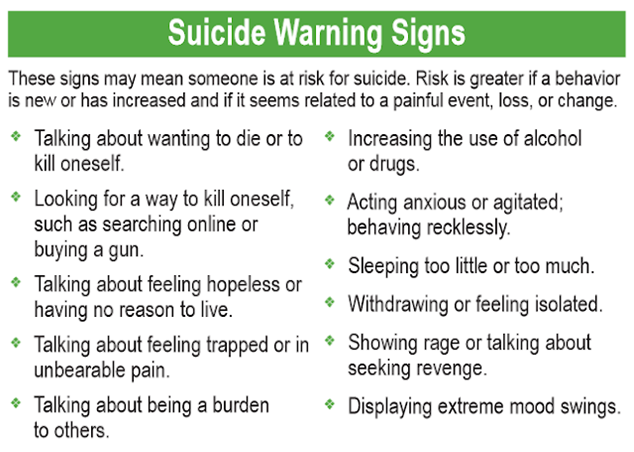
You have heard the stories on the news, all over social media and through shared views on the internet. Everyone wondering why a child that life has so much more to live would choose to end their young life. The parents are in disbelief as to why their child didn’t come talk to them, teachers talk about how they notice a change in the child but never took the time to check on them or the friends who say “ I just talked to them and they were fine”. Depression present differently in each individual and children are not different in this aspect. Do you know the signs of depression or a person that is contemplating suicide? This blog will keep you aware of the signs of suicide and provide education on the “Zero Suicide” framework that works to create how to deal with individuals with suicidal thoughts safely.

Over the last 15 years I have worked in child and adolescent psychiatry as a psychiatric nurse, I have met some phenomenal patients that just want someone that will care or listen. In our busy lives of constant things to do we have forgot how to be there for other or check on those we love. Working with this population and hearing their stories has made this topic a part of my growth as a provider. The #Bethe1 initiative and Zero suicide framework as well as recent legislation to have the suicide hotline number changed to a three digit emergency line will push this blog and anyone that reads it into Child and Adolescent Suicide Awareness.

Introduction

My name is Latasha Freeman, I am currently a DNP student at ASU majoring in Psychiatric Mental Health Nursing Practice. My compassion for pediatrics combined with my love of psychiatry is what leads this blog. I have worked in child and adolescent psychiatry for over 15 years and recently have seen the uptrend of hard to treat suicidality in children. Not to mention the parents who are in disbelief that their child was feeling this way because they “have friends and play sports”, this blog will display awareness for suicidality in children and adolescents.

Design a site like this with WordPress.com
Get started